
A nit is a unit of screen brightness, one candela per square metre, and it is the number that decides whether a display is readable in the room it is going into. An ordinary indoor meeting room or classroom needs around 350 cd/m². A space with real daylight coming in wants 700. A shop window facing the street, or a display in an atrium under a glass roof, needs 2,500 or more, and there are panels made specifically for that job.
The point most guides get wrong is worth stating plainly: panel brightness does not scale with panel size. A projector spreads a fixed quantity of light over whatever picture you ask it to make, so a bigger image is a dimmer one. A panel does not work like that. Nits are already a per-square-metre measurement, so 500 cd/m² looks exactly as bright on a 98 inch panel as on a 43 inch one. Screen size and brightness are independent decisions, and only the light in the room sets the second one.
| Lighting | Typical spaces | Target |
|---|---|---|
| Blacked out | Home cinema, screening room, blackout-blinded boardroom | 250 cd/m² |
| Dim | Living room in the evening, lecture theatre with the lights down | 300 cd/m² |
| Normal room light | Meeting room, boardroom, training room with blinds drawn | 350 cd/m² |
| Bright | Classroom, open-plan office, church hall, retail space | 700 cd/m² |
| Daylight | Atrium, reception, showroom, sports hall, exhibition stand | 2,500 cd/m² |
These are the same targets our display finder grades products against, so a panel that passes here passes on the listing too. Manufacturers quote peak brightness, which a panel may only sustain across part of the screen or for a short period, so treat a headline figure as an upper bound rather than a working one.
Where the light falls matters as much as how much there is. A display on a wall opposite a window has to overcome both the ambient light in the room and a mirror image of the window in its own glass, which is why a panel that reads perfectly well in one corner can be unusable on the opposite wall at the same brightness. Moving a screen out of a reflection is free and often more effective than buying twice the nits. Where the position is fixed, an anti-glare or semi-matte panel finish does more for readability than a brightness upgrade of the same cost.
- Meeting rooms, classrooms and offices with blinds: 350 cd/m² is enough, and paying for more is wasted.
- Open-plan spaces, receptions and rooms with large windows: aim for 700.
- Shop windows, atriums and anywhere in direct sun: 2,500 and up, from a range built for it.
- Outdoor and semi-outdoor sites need a rated enclosure and a temperature range as well as the brightness, not just a bright panel.
- Check the warranty covers the operating hours you actually need, because a window display running 16 hours a day is a different duty cycle from an office screen.
One consequence worth planning for: high-brightness panels draw more power and run hotter, so a window display often needs its own thinking about ventilation and, in a sealed recess, active cooling. That is an installation question rather than a product one, and it is the sort of thing worth raising before the unit is ordered rather than after. Across the 1235 displays published here, the room finder filters by the light level you tell it, and our engineers will look at a photograph of the space if you are not sure which band it falls into.
Commercial displays in stock now for ordinary indoor use, where roughly 350 to 500 cd/m² is the working range:
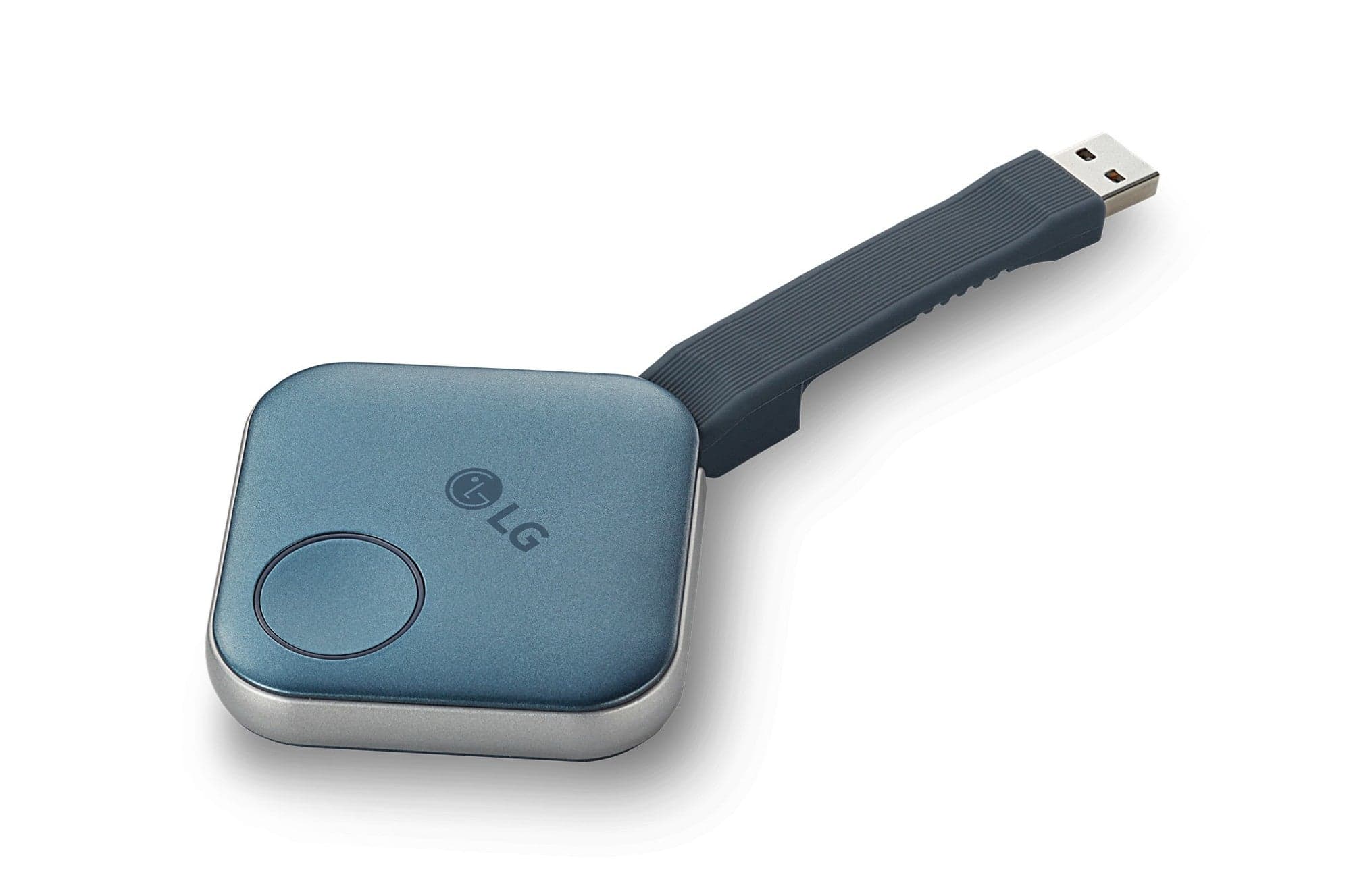 LG SC-00DA USB Linux Black, Blue£225 inc VAT
High-brightness models in stock now, built for window sites and spaces that cannot be shaded:
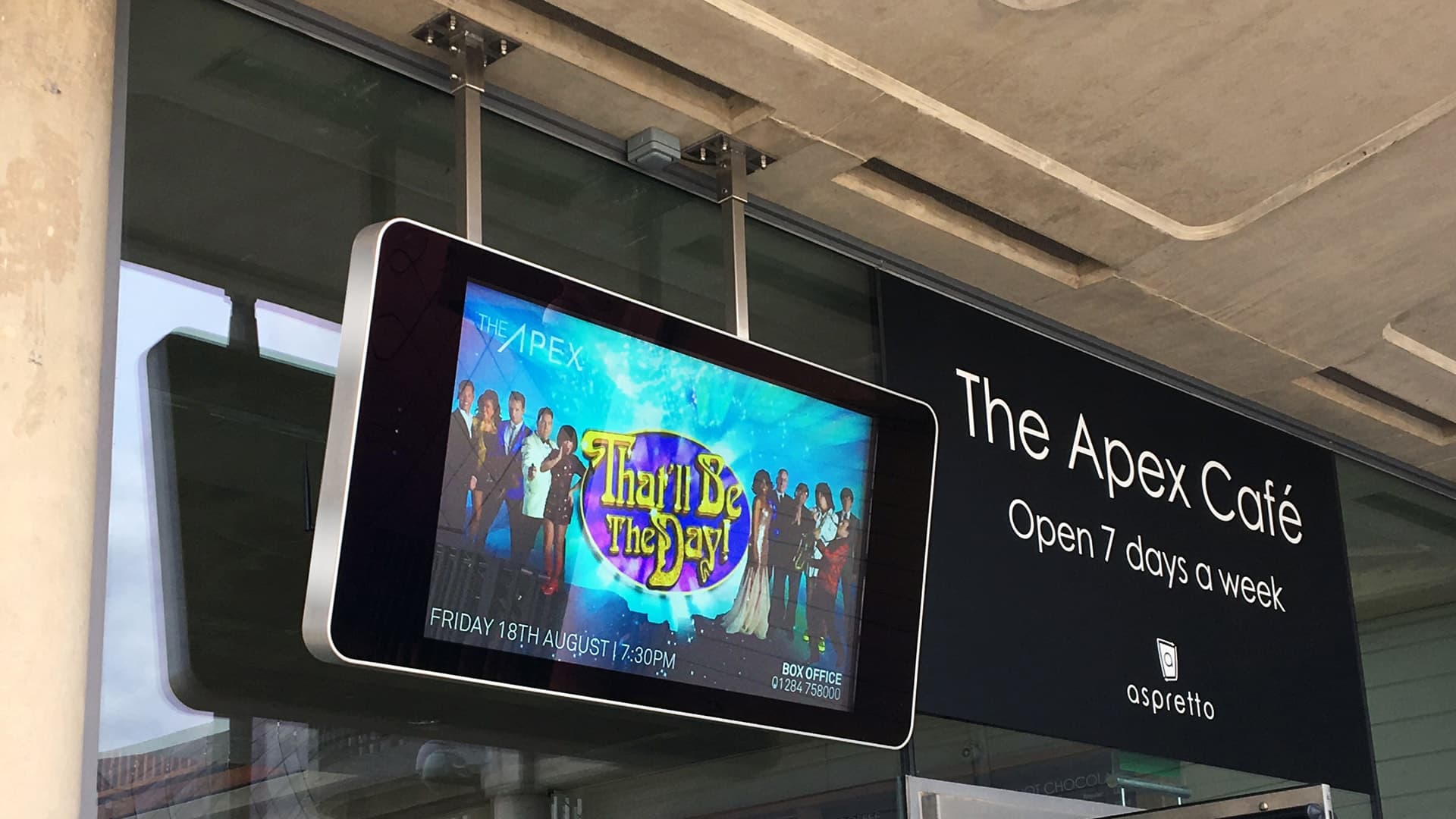
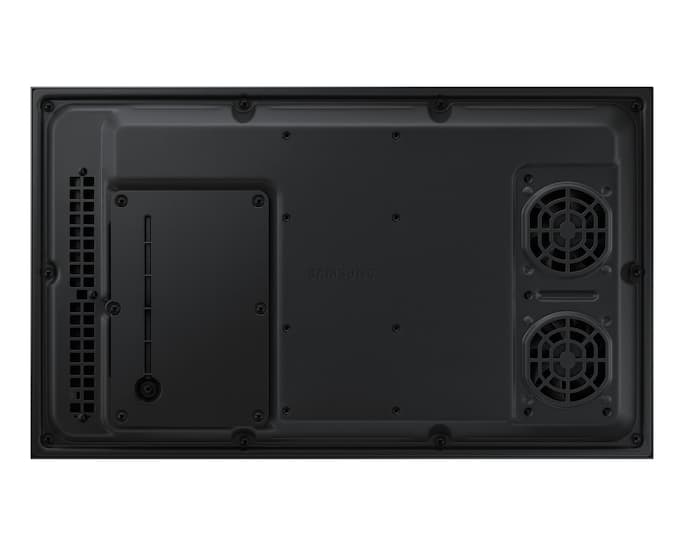 Samsung OH24B 24" Outdoor Display£1,790 inc VAT