Yes, sometimes. If a screen shows a dashboard in a back office for a few hours a day, sits in landscape, and nobody minds walking over to it when it needs attention, a consumer television will do the job and the saving is real. Anyone who tells you a television can never be used for signage is selling you something. The honest answer is that it depends on four things, and if any of them apply, the television becomes the more expensive option rather than the cheaper one.
The first is duty cycle, and it is the one that catches people out. Consumer televisions are designed and warranted for a few hours of viewing a day. Commercial panels are rated for long daily operation, typically 16 or 24 hours, and their warranties say so. Run a television 12 hours a day in a reception and you are outside the terms of its warranty from the first week, so when the panel fails in month eight there is no claim to make. That is not a technicality manufacturers waive; it is the reason the two products are priced differently.
| Consumer television | Commercial display | |
|---|---|---|
| Rated operating hours | Roughly 4 to 6 hours a day | 16 or 24 hours a day |
| Warranty in commercial use | Usually void | Written for commercial sites |
| Portrait mounting | Not supported, and often voids cover | Designed for it, with the cooling to match |
| Brightness | Around 250 to 350 cd/m² | 350 to 700, and 2,500+ for window models |
| Remote management | Consumer app, one screen at a time | Networked control across an estate |
| Behaviour after a power cut | Waits on standby for a remote | Powers back into the content on its own |
| Bezel and finish | Glossy, prone to reflections | Matte or anti-glare, thinner bezel |
| Availability of the same model | Replaced every season | Held for years, so an estate stays matched |
The second is orientation. Turning a television on its side is the most common signage mistake, because the panel and its cooling were designed for landscape and heat then collects where nothing is built to move it. It usually works for a while, which is what makes it a trap. The third is the room's light, which is the nits question: a television around 300 cd/m² will be readable in an office and washed out in a window. The fourth is management. One screen is a person with a remote. Twenty screens across four sites is a job, and only a commercial panel gives you the network control to do it without visiting each one.
There is one more difference that only shows up months later, and it is the one installers care about. Consumer television model numbers change every season, so a screen that fails in year two is replaced by something a different size, a different colour and a slightly different depth, which is visible the moment two of them sit side by side. Commercial ranges stay available for years precisely so an estate can be repaired rather than gradually replaced. If you are fitting more than one screen, or expect to add to them later, that consistency is worth more than the difference in purchase price.
- A television is fine for: a single screen, short hours, landscape, indoors, out of direct light, and nobody managing it remotely.
- Specify a commercial display for: long hours, portrait, daylight, multiple screens, or anywhere a failure is disruptive to fix.
- If the screen is customer-facing, assume commercial. The failure is visible to the people you put it there for.
- Check the warranty wording against your actual operating hours before ordering, not after.
Commercial signage displays in stock now, rated for long operating hours and portrait mounting:
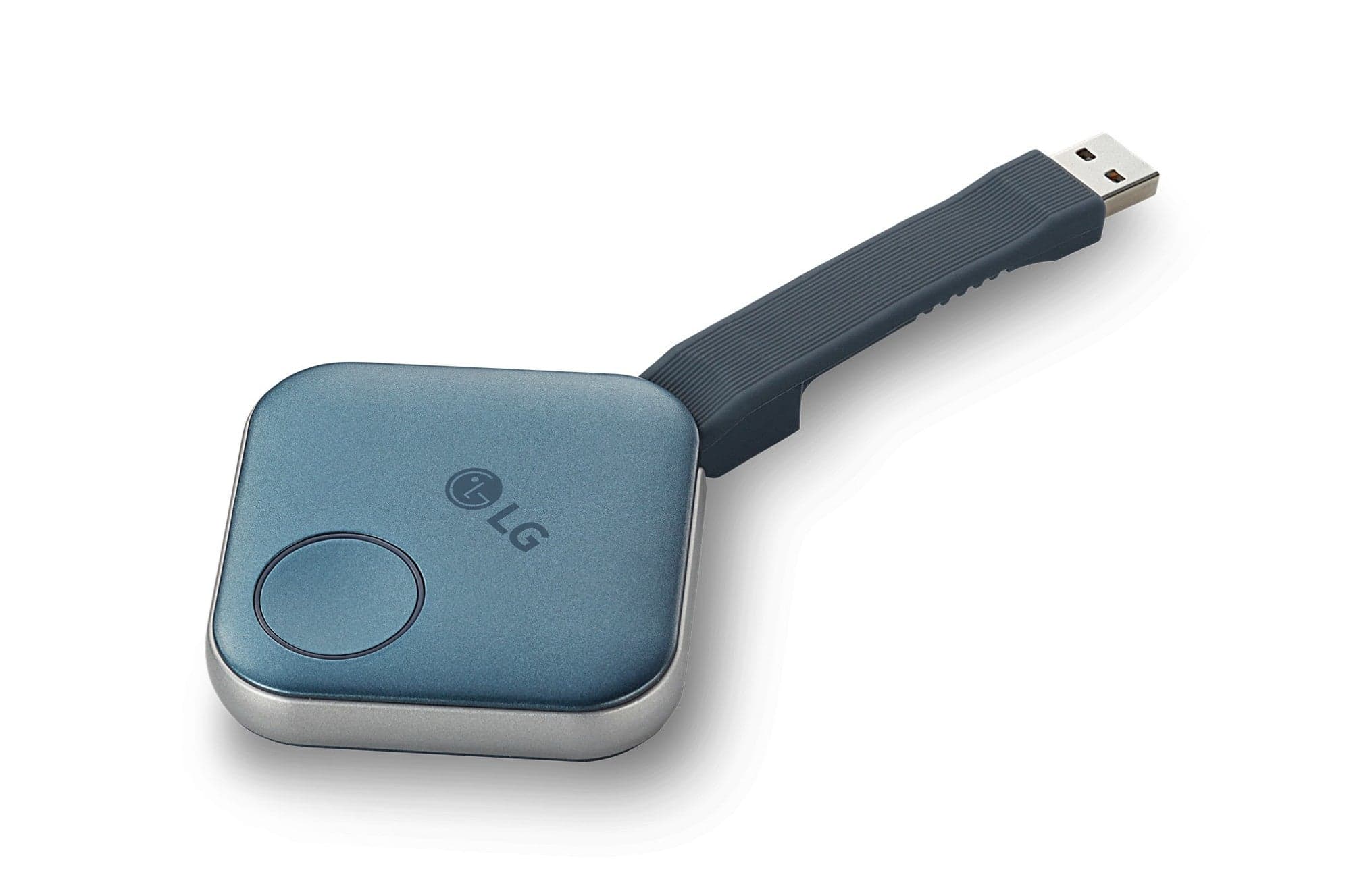 LG SC-00DA USB Linux Black, Blue£225 inc VAT