Most rooms need between 3,000 and 6,000 ANSI lumens, but quoting a single number for a projector is close to meaningless without knowing the room. Brightness is not a fixed property of a projector, it is light spread over the picture, so the same projector that looks punchy on an 80 inch image looks washed out at 150 inches. Two things set the requirement: how big the image is, and how much other light is falling on the screen. Everything else is detail.
The table below gives the rated ANSI lumens needed for a 16:9 image on a standard matte white screen. It is calculated, not estimated: screen luminance in foot-lamberts equals rated lumens multiplied by screen gain, divided by the picture area in square feet. We plan at 65 percent of the headline rating rather than 100 percent, because manufacturers measure ANSI lumens in the brightest picture preset, which is visibly green-shifted, and because light sources dim as they age. Specifying at the headline figure is the single most common reason a new projector disappoints on day one.
| Room | 80" | 100" | 120" | 150" | 200" |
|---|---|---|---|---|---|
| Blacked out (cinema room, no windows) | 500 | 750 | 1,100 | 1,700 | 3,000 |
| Dim (blinds closed, lights down) | 800 | 1,200 | 1,800 | 2,700 | 4,800 |
| Normal room light (ceiling lights on, blinds drawn) | 1,200 | 1,900 | 2,700 | 4,200 | 7,400 |
| Bright (lights on, daylight from windows) | 1,800 | 2,800 | 4,000 | 6,200 | 11,000 |
| Daylight (big windows, cannot be darkened) | 2,700 | 4,200 | 6,000 | 9,300 | 16,500 |
Calculated at 65 percent of rated output to allow for colour-accurate picture modes and light source ageing. A light-rejecting (ALR) screen roughly halves these figures; projecting onto a painted wall raises them by about 18 percent.
Read the table by finding your room type down the side and your image size across the top. A 120 inch image in a classroom with the blinds open needs around 4,000 lumens; the same image in a blacked out cinema room needs around 1,100. That is a four-fold difference driven entirely by the room, which is why a brightness figure copied from a review of someone else's setup is rarely the right one for yours.
It is worth being clear about the direction of the risk, because it is not symmetrical. Under-specifying gives a grey, low-contrast picture that no setting will rescue, and the only fix is a different projector. Over-specifying wastes money, runs hotter and louder, and in a dark room actually hurts the image, since too much light on a small screen crushes black levels and tires the eyes. Aim to land somewhere between 1.15 and 2.2 times the figure in the table. That leaves headroom for a sunnier day and for the light source ageing, without paying for output the room can never use.
Two adjustments matter more than any other. Screen choice is the big one: an ambient light rejecting screen has roughly twice the gain of matte white, so it halves the lumens needed, and buying a better screen is often cheaper than buying a brighter projector. Aspect ratio is the smaller one: at the same diagonal a 16:10 image has about 5 percent more area than 16:9, and a 4:3 image about 12 percent more, so the requirement rises with it. Across the 482 projectors currently published here, every band in the table is covered, and the room planner will filter to the ones that actually fit your measurements rather than leaving you to work backwards from a spec sheet.
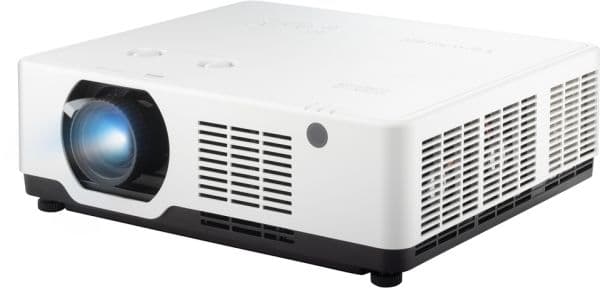
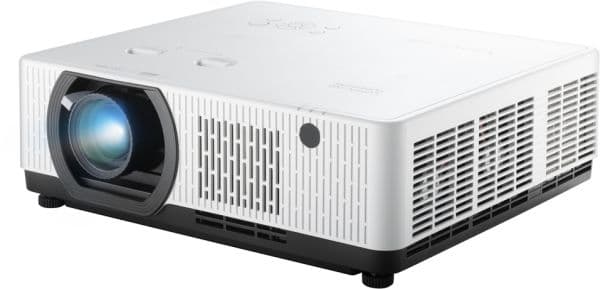
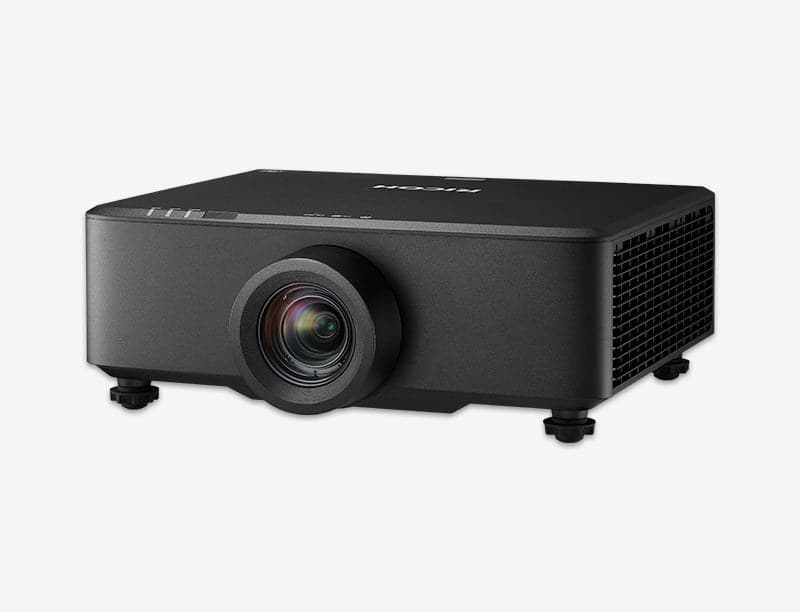
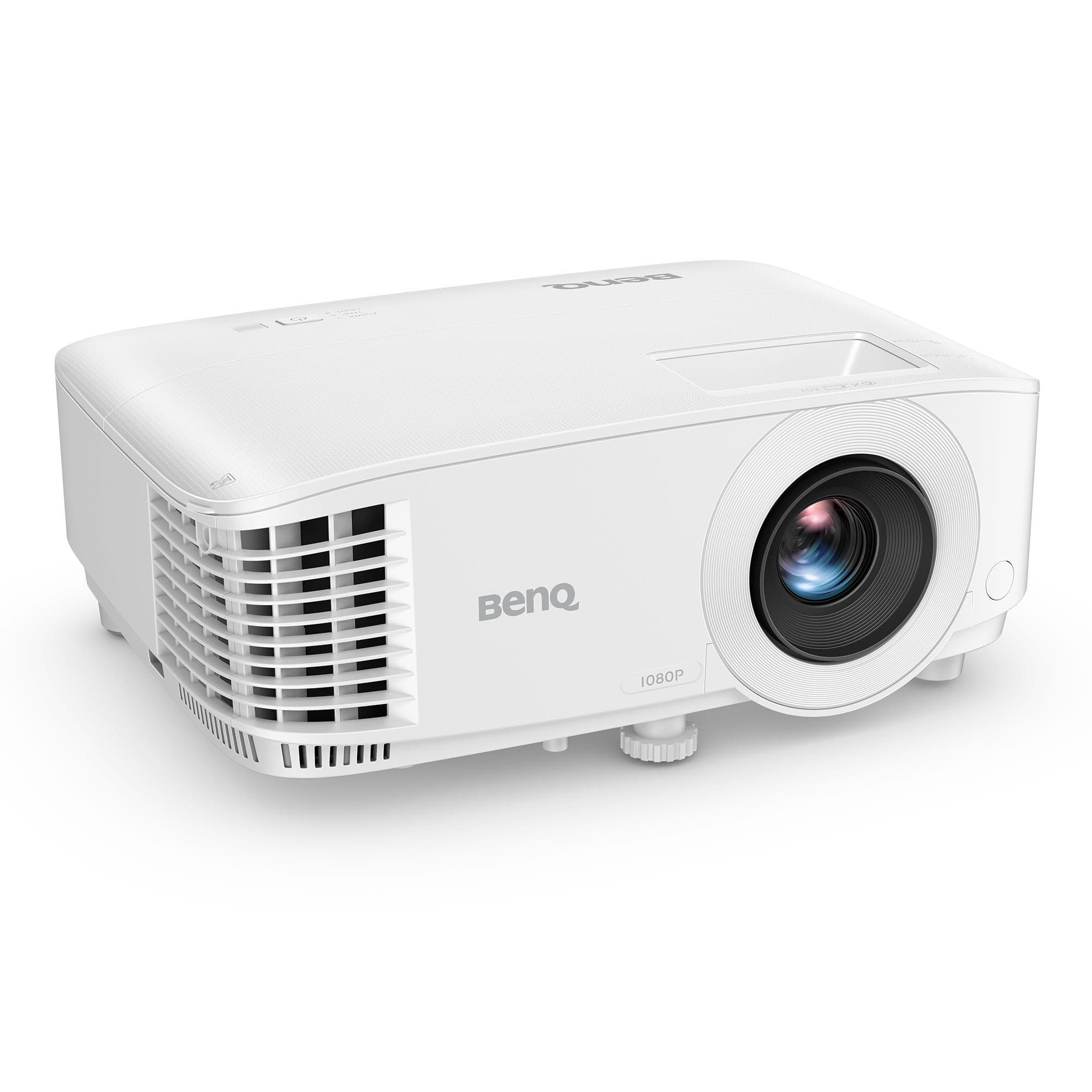
In stock now between 3,000 and 4,000 lumens, the band most meeting rooms and blinds-drawn training rooms land in:
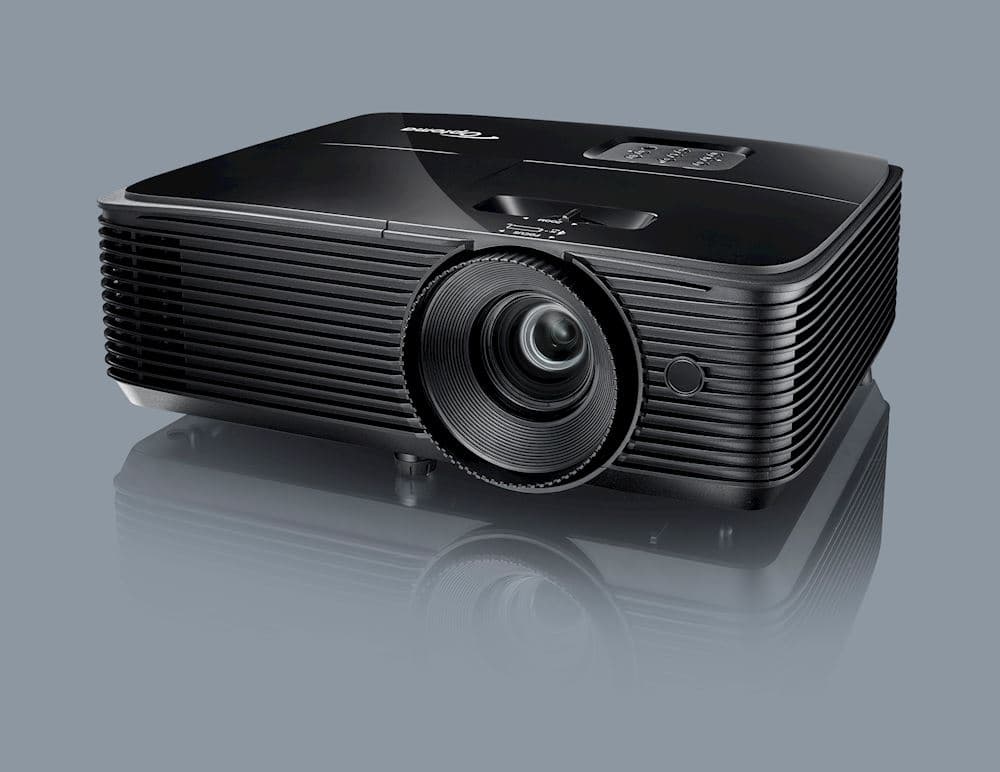
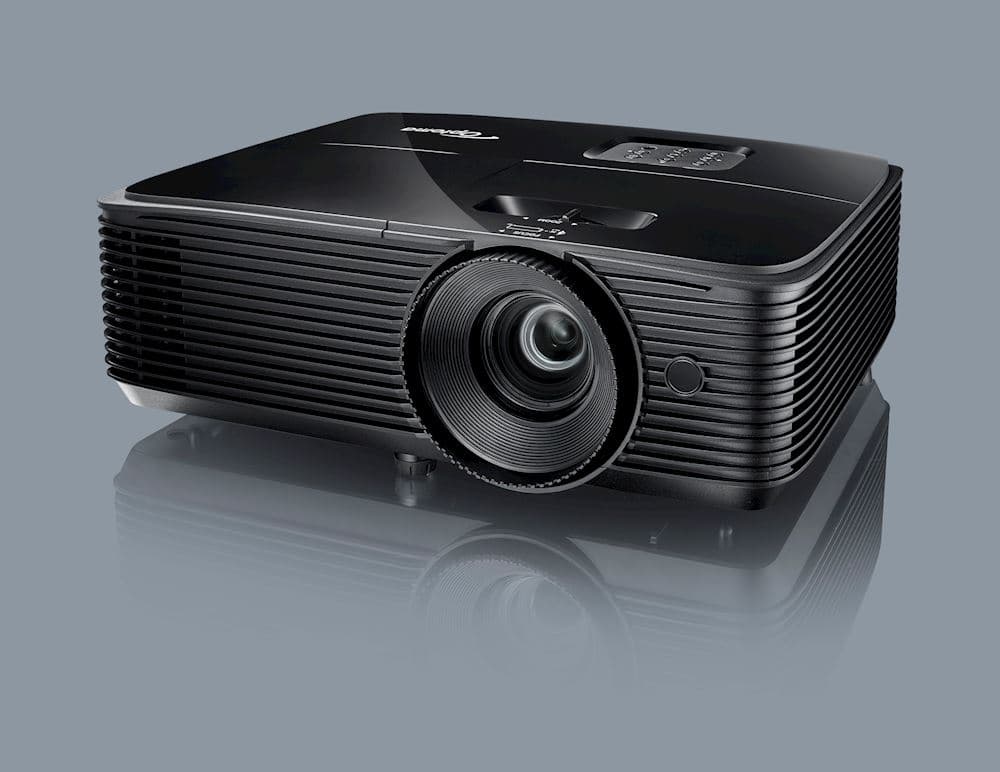
In stock now between 4,000 and 6,500 lumens, which covers most classrooms, lecture theatres and church halls:
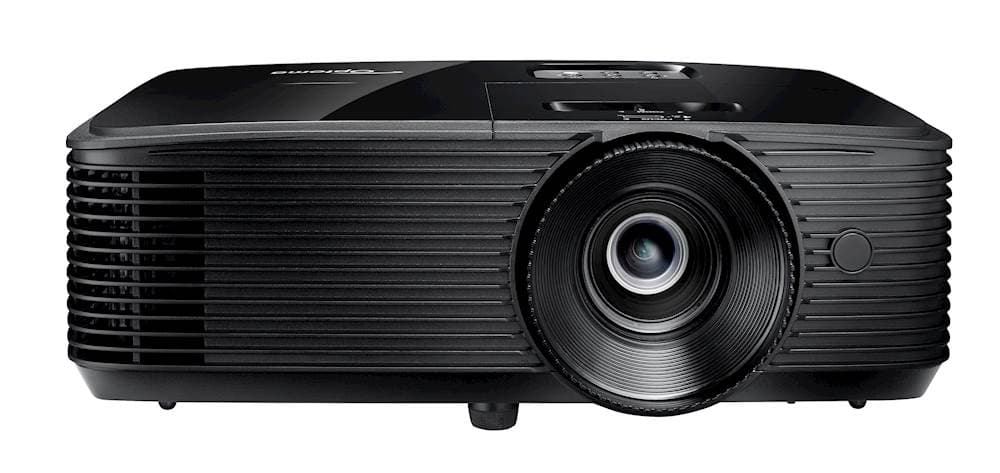
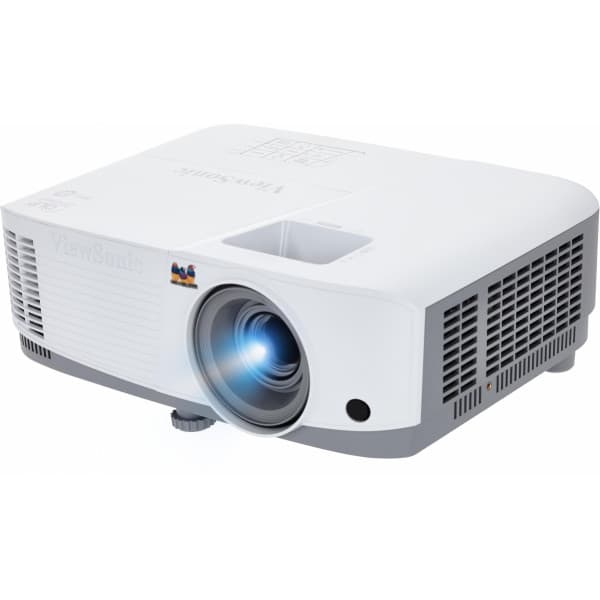
In stock now at 6,500 lumens and above, for large venues, atriums and anything facing a window wall: